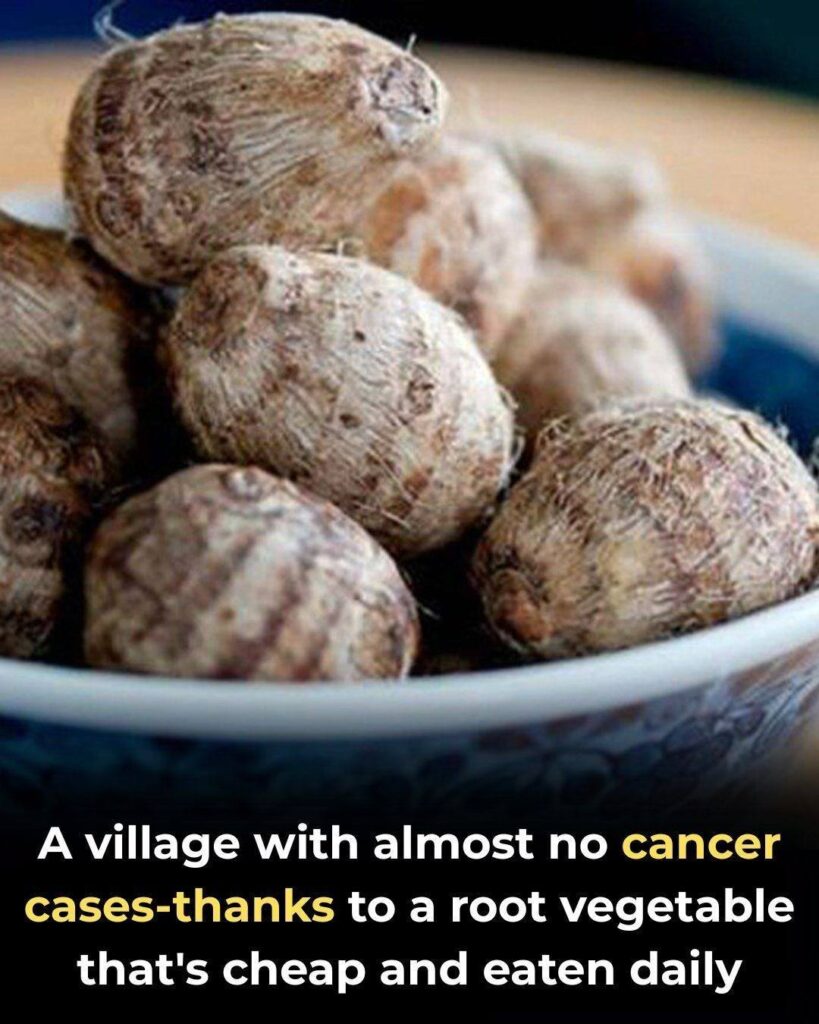
You’ve likely seen the headline: a remote village where cancer is virtually non-existent, and the secret isn’t a expensive pill or a trendy superfood, but a simple root vegetable eaten daily. Stories like this capture our imagination because they promise that the power to transform our health might be hiding in plain sight, right in our own kitchens.
The story often points to a village in a specific region, like Lipu Village in China, and identifies the humble taro root as the key to its remarkable cancer-free status . It’s a compelling narrative: a whole community thriving on a single, starchy staple.
But what’s the real story here? Is it just a charming myth, or is there genuine science behind the idea that root vegetables can be powerful allies in cancer prevention?
The Real Story from Lipu Village
Let’s start with the village itself. Reports from places like Lipu Village in China’s Guangxi Province highlight a population with exceptional health and a notable absence of cancer . When researchers investigated, they pointed to the villagers’ diet, which heavily features taro (khoai môn in Vietnamese) as a staple food. It’s a classic example of how traditional, unprocessed diets can support remarkable health outcomes .
The Science-Backed Benefits of Root Vegetables
So, what does science have to say about the cancer-preventive potential of root vegetables like taro? The evidence is compelling, though it doesn’t point to a single “magic bullet.”
Root vegetables are nutritional powerhouses. As they grow underground, they absorb a wealth of nutrients and biologically active chemicals from the soil . This makes them rich sources of:
- Fiber: Essential for healthy digestion, which helps ward off cancers of the digestive tract, such as colorectal cancer .
- Antioxidants: Compounds like polyphenols and flavonoids that neutralize harmful free radicals, which can damage cells and lead to cancer .
- Alkaline Minerals: Taro, for example, is an alkaline food. Some theories suggest that maintaining a slightly alkaline body pH can help create an environment less conducive to the development of cancer cells .
- Immune-Boosting Compounds: Taro contains a mucilaginous protein that, when absorbed, can help the body produce immunoglobulins (antibodies), thereby strengthening the immune system’s ability to fight off illness, including potentially cancer .
- Potassium: Vital for heart health and blood pressure regulation, taro is particularly high in potassium, with some experts suggesting that eating it regularly could significantly reduce the risk of stroke .
A scientific overview of root vegetables confirms that they are “storehouses” of these bioactive ingredients, including carotenoids, polyphenolics, and other compounds with demonstrated anticancer, antioxidant, and immune-regulating functions .
The Bigger Picture: A Dietary Pattern, Not a Single Food
The real lesson from villages like Lipu isn’t to fixate on one “miracle” food. It’s about the power of an entire dietary pattern.
These communities eat a traditional, whole-foods diet that is:
- Rich in a variety of plant-based foods, including other vegetables, legumes, and whole grains .
- Naturally low in processed foods, refined sugars, and unhealthy fats that are hallmarks of a Western diet and are linked to chronic inflammation and disease .
- Often includes fermented foods, which provide beneficial probiotics for gut health .
This dietary pattern, rich in fiber, antioxidants, and other protective compounds, works synergistically to reduce inflammation, support a healthy immune system, and lower the risk of many chronic diseases, including cancer .
From Village to Your Kitchen
You don’t need to move to a remote village to benefit from this wisdom. You can start by incorporating more humble root vegetables into your own meals. Here are a few ideas:
- Try a New Root: Experiment with taro, malanga, or yuca. You can boil, roast, or mash them just like potatoes.
- Add a Twist to Classics: Swap out some of your regular potatoes for sweet potatoes or parsnips in your favorite recipes.
- Make a Hearty Stew: Add chunks of carrots, potatoes, and other roots to soups and stews for a fiber and nutrient boost.
- Try an International Recipe: Explore dishes like the Ethiopian Atakilt Wat, a delicious and healthy sauté of cabbage, carrots, and potatoes with turmeric and ginger, designed to be packed with cancer-fighting ingredients .